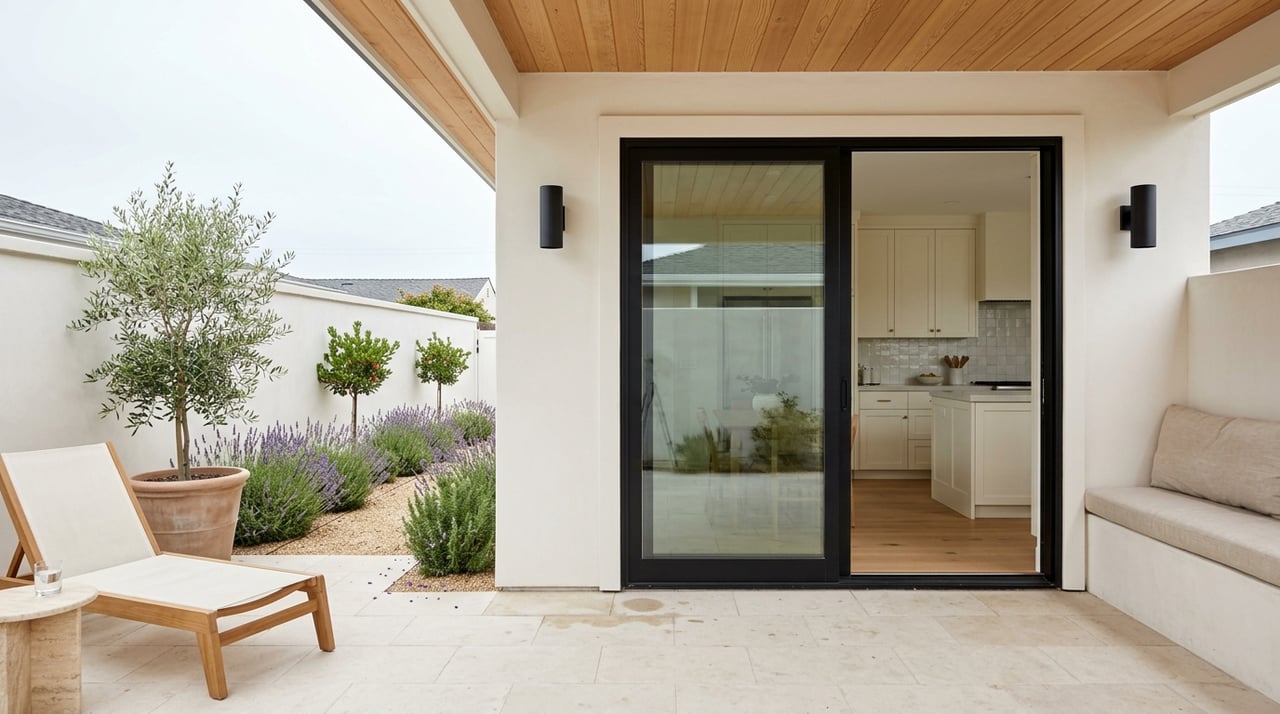
Dreaming about a place near the coast sounds simple until you start looking at the details. In Santa Cruz, a second home can offer a relaxing retreat and long-term value, but it also comes with financing rules, ownership costs, rental limits, and climate-related factors that deserve a close look. If you want to buy wisely, it helps to know what matters before you fall in love with a property. Let’s dive in.
Why Santa Cruz second homes need extra care
A second home in Santa Cruz is not just about ocean air and weekend convenience. It is also about how well a property fits the realities of coastal ownership over time.
According to the City of Santa Cruz 2025-2030 Local Hazard Mitigation and Climate Adaptation Plan, the city is planning around flooding, sea-level rise, wildfire, and erosion. That means your buying decision should include the lot, access, drainage, and overall resilience of the structure, not just the finishes and views.
For many buyers, that changes the search from "Which home looks best?" to "Which home will work best year after year?" That is an important shift, especially when you are buying a property you may not occupy full time.
Start with location and site conditions
In Santa Cruz, micro-location matters. A property closer to low-lying areas or the coast may need more review than a home that is less exposed to flooding or erosion concerns.
FEMA notes that properties in a Special Flood Hazard Area have at least a 26% chance of flooding over a 30-year mortgage. If you are considering a coastal or lower-elevation property, flood-map review should be part of your early due diligence.
You will also want to think about practical ownership questions. How easy is the property to access in poor weather? Does the site show signs of drainage issues? Does the structure appear prepared for coastal wear over time? These questions can have a real effect on your comfort, maintenance budget, and long-term planning.
Understand second-home loan rules
Before you model rental income or stretch your budget, it is smart to understand how a lender may define a second home. Conventional second-home financing comes with specific occupancy and use requirements.
Under Fannie Mae occupancy guidelines, a second home must be occupied by the borrower for some portion of the year, suitable for year-round occupancy, and under the borrower’s exclusive control. It also cannot be a rental property, timeshare, or a property subject to a management-controlled occupancy arrangement.
That last point matters because many buyers casually assume they can buy first and sort out rental plans later. In reality, financing classification affects how the purchase is underwritten from the beginning.
Fannie Mae also states that if a lender identifies rental income from the property, the loan may still be treated as a second home as long as that income is not used to qualify. In plain terms, if you are counting on projected rent to make the numbers work, confirm the details with your lender early.
Budget for reserves and carrying costs
The purchase price is only part of the picture. Second homes usually require stronger cash reserves and more thoughtful ownership planning than a primary residence.
Under Fannie Mae reserve requirements, second-home borrowers generally need at least two months of reserves, with additional requirements possible if the buyer owns other financed properties. That can affect how much liquidity you want to keep on hand after closing.
You should also budget for the recurring costs that come with coastal ownership, including insurance, maintenance, inspections, and repairs. A property that sits vacant part of the year may still need regular attention, especially in a marine environment.
Do not assume tax breaks apply
Many second-home buyers are surprised to learn that some tax assumptions do not carry over from a primary residence. This is one area where a quick conversation with a tax professional can save you from expensive confusion.
California’s homeowners’ exemption applies to a qualifying owner-occupied principal residence and reduces taxable value by $7,000. A true second home generally should not be evaluated as though that exemption will apply.
On the federal side, the IRS explains in Publication 936 that mortgage interest may be deductible on a main home or second home. But if you rent the property for part of the year, the rules can change.
The IRS also explains in Publication 527 that rental use and personal use must be separated for tax purposes. If your plans include occasional rental activity, it is wise to get guidance from a CPA or tax attorney before you buy.
Check flood insurance timing early
Insurance is not something to leave for the final week of escrow. In Santa Cruz, flood questions can become a meaningful part of the ownership cost and risk picture.
The National Flood Insurance Program says that most homeowners insurance does not cover flood damage. It also notes that new flood policies usually come with a 30-day waiting period unless the purchase meets a listed exception, such as certain mortgage-related situations.
That timing matters. If a property may require flood coverage, bring that conversation forward early so you understand cost, availability, and timing before closing.
Be careful with short-term rental assumptions
A lot of second-home buyers like the idea of offsetting costs through short-term rentals. In Santa Cruz, that strategy needs a very careful reality check.
The City of Santa Cruz requires all short-term-rental owners to have both a permit and a transient occupancy tax certificate, according to the city’s short-term rental program rules. The city allows only 250 Hosted STR permits, is not issuing new Non-Hosted STR permits, and defines Hosted STRs as properties where the owner lives in the home for more than six months per year.
That means many buyers looking for a classic part-time second home will not fit neatly into the hosted model. You should never assume Airbnb-style income is available unless the property and your planned use clearly comply with current rules.
There are more limitations to know. The city also states that properties with a single-family home and an ADU or JADU are not approved for STR permits, and short-term rentals are automatically enrolled in the city’s rental program. These details can significantly affect a property’s income potential and usability.
Build a realistic maintenance plan
A Santa Cruz second home should come with a maintenance strategy, not just a decorating plan. Coastal properties can ask more of owners over time.
FEMA’s coastal building science guidance notes that residential coastal structures can face high winds and flooding. Combined with the city’s climate planning around sea-level rise, flooding, wildfire, and erosion, that makes recurring inspections and repair reserves a practical part of ownership.
You may want to plan for periodic roof review, drainage checks, exterior monitoring, and reserve funds for repairs. Even a beautiful, well-located home can become more expensive than expected if you buy without a long-term upkeep strategy.
Assemble the right professionals
Buying a second home usually involves more moving parts than a standard purchase. The good news is that the right team can help you make cleaner decisions.
Your lender should guide you on qualification, occupancy classification, and reserve expectations. A CPA can help you evaluate tax treatment, especially if you may rent the property part time.
An attorney may be the right person to consult for title issues, ownership structure, HOA questions, or short-term-rental compliance. On the real estate side, Gea helps with property selection, neighborhood fit, inspections, offer strategy, and full transaction management so you can move forward with better clarity.
A smart way to evaluate a Santa Cruz second home
If you want to simplify the process, use a framework that balances lifestyle goals with real ownership fundamentals. The best second home is not always the one with the most emotional appeal on day one.
Here is a practical checklist to use as you compare options:
- Confirm the home fits second-home financing guidelines with your lender.
- Review flood-map and site-condition risks early.
- Ask about insurance needs and flood coverage timing.
- Underwrite the property without assuming short-term rental income.
- Verify any permit status directly with current city rules.
- Budget for reserves, maintenance, and vacancy-related costs.
- Talk with a CPA if you may use the home as both personal and rental property.
That approach helps you buy with confidence instead of relying on best-case assumptions.
Final thoughts on buying well
A second home in Santa Cruz can be a wonderful investment in your lifestyle, but the strongest purchases are grounded in facts, not fantasy. When you understand financing rules, rental limits, insurance timing, tax treatment, and site-specific risks, you can choose a property that supports your goals for the long run.
If you are considering a second home in Santa Cruz, Gea Carr can help you evaluate property fit, neighborhood context, inspections, and offer strategy with a practical, high-touch approach. If you want experienced guidance from search to closing, now is a great time to schedule a consultation.
FAQs
What qualifies as a second home for financing in Santa Cruz?
- Under Fannie Mae guidelines, a second home must be occupied by you for part of the year, suitable for year-round use, under your exclusive control, and not treated as a rental property, timeshare, or management-controlled property.
Can you use short-term rental income to justify a Santa Cruz second home purchase?
- You should be cautious. Fannie Mae says rental income may not be used to qualify for a second-home loan, and Santa Cruz has strict short-term rental permit rules that can limit whether this strategy is even allowed.
Do Santa Cruz second homes need flood-risk review?
- Yes, especially for coastal or low-lying properties. FEMA says homes in a Special Flood Hazard Area have at least a 26% chance of flooding over a 30-year mortgage.
Does the California homeowners’ exemption apply to a Santa Cruz second home?
- Usually no. California limits that exemption to a qualifying owner-occupied principal residence, so a true second home generally should not be priced with that tax break in mind.
What professionals should you talk to before buying a second home in Santa Cruz?
- A lender can help with qualification and reserves, a CPA can advise on tax treatment, an attorney can address legal or ownership issues, and Gea can guide you through property selection, inspections, offer strategy, and transaction management.