If you are trying to buy in Sunnyvale, the biggest decision may not be where to live, but what kind of home gives you the best fit. In a market where single-family homes and townhomes can sit far apart on price, it is normal to wonder whether more space and control are worth the extra cost. This guide will help you compare the tradeoffs, understand the real monthly costs, and decide which option matches your budget and lifestyle. Let’s dive in.
Sunnyvale price gap matters
In Sunnyvale, the difference between a single-family home and a townhome is not minor. In MLSListings' June 2026 market snapshot, the median sale price for a single-family home was $2,800,000, while condos and townhomes averaged $1,225,000.
That is a price gap of $1,575,000. The same snapshot also showed attached homes at about $846 per square foot, compared with $1,469 per square foot for single-family homes. If you are trying to stay in Sunnyvale, that spread can completely change what is realistic for your purchase.
Inventory also shapes the decision. The June 2026 snapshot showed 28 active single-family listings and 68 active attached listings, along with a median of 8 days on market for single-family homes. That tells you two things right away: detached homes can be harder to find, and the market can move quickly.
Why buyers still target Sunnyvale
Sunnyvale continues to attract buyers who want to stay close to major employers and daily routines. The city's December 2025 employer list includes Google, Apple, Amazon.com Services, Intuitive Surgical, Lockheed Martin, Meta Platforms/Facebook, Synopsys, and Applied Materials among the largest employers.
For many buyers, that job base helps explain why townhomes stay in the conversation. If your goal is to remain in city limits and avoid pushing your search farther out, an attached home may offer a more practical entry point.
Single-family vs townhome basics
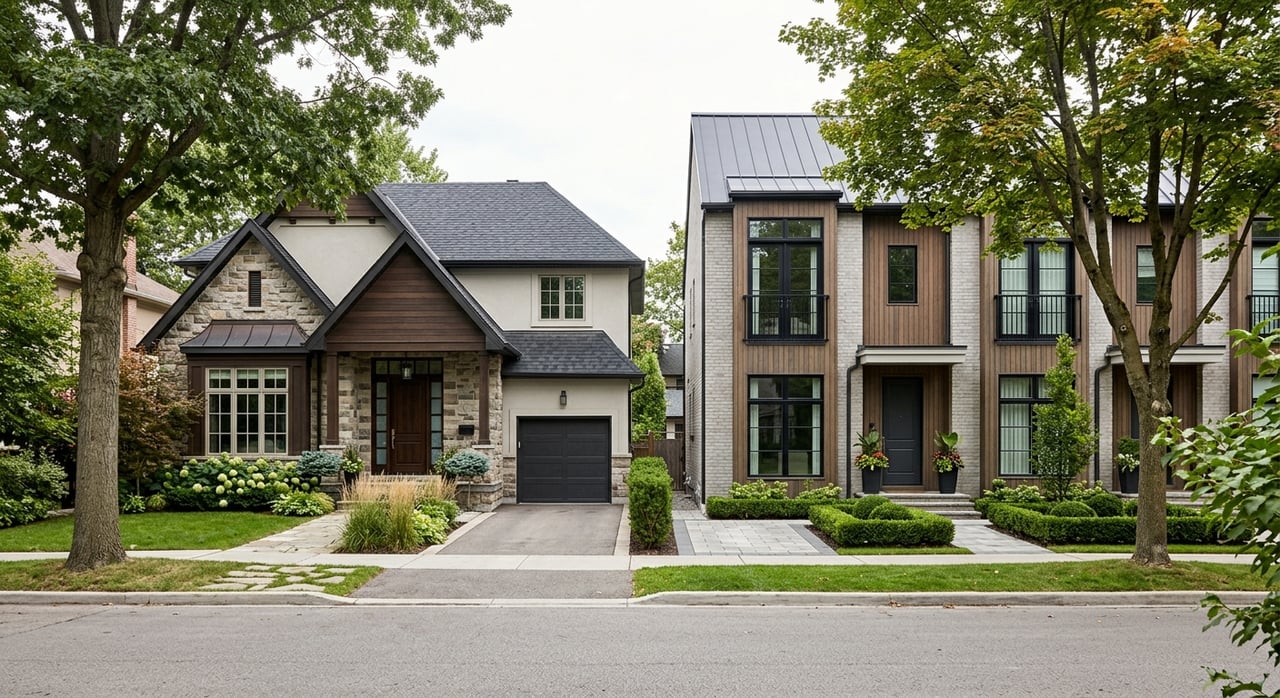
At the simplest level, this choice often comes down to autonomy versus affordability. A detached single-family home usually gives you more control over the lot, exterior, and future updates. A townhome often lowers the upfront cost and shifts some maintenance into a shared structure.
That does not mean one option is always better. It means each one asks you to make different tradeoffs after closing, not just before it.
What a single-family home usually offers
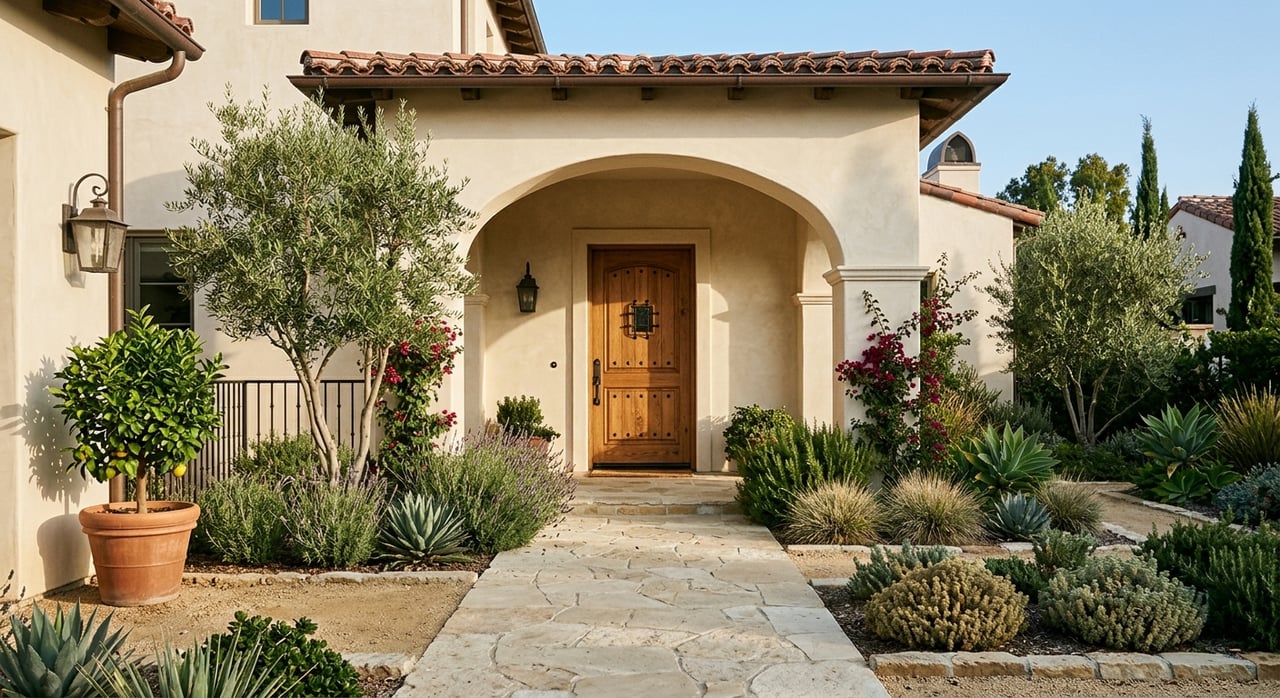
A detached home often appeals to buyers who want more independence. In practical terms, that can mean more privacy, more direct control over the exterior, and more flexibility around outdoor space and future changes.
You are also usually taking on more maintenance responsibility yourself. That can include landscaping, exterior upkeep, and longer-term repair planning that would otherwise be shared in a common-interest development.
What a townhome usually offers
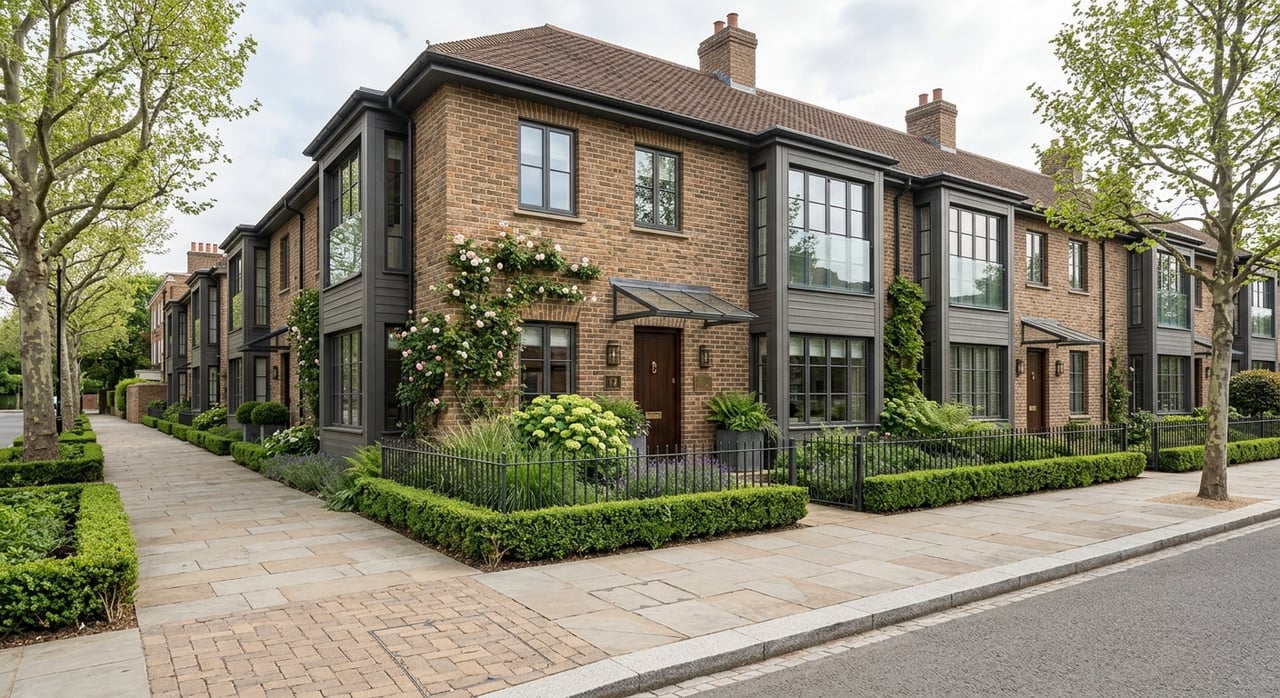
A townhome often appeals to buyers who want to lower the purchase price while staying in Sunnyvale. Many buyers also like the convenience of shared maintenance and a more lock-and-leave setup.
At the same time, townhome ownership usually comes with HOA rules, dues, and shared decision-making. If you prefer less day-to-day exterior upkeep, that may feel like a benefit. If you want total flexibility, it may feel limiting.
HOA rules change the ownership experience
Many Sunnyvale townhomes are in common-interest developments, so HOA documents matter. The California Attorney General explains that HOAs make and enforce rules, require fees and assessments, and operate under CC&Rs.
The California Department of Real Estate adds that HOAs typically maintain common areas such as landscaping, recreation facilities, parking areas, drainage gutters, and outdoor lighting. They also handle long-term replacement of common-area components.
That said, do not assume the HOA covers everything outside your walls. The DRE notes that owners may still be responsible for exclusive-use areas and some exterior elements, such as private yards, decks, front doors, siding, or roofs, depending on the governing documents.
This is why a townhome can feel easier in some ways, but still require close review. The exact line between your responsibility and the HOA's responsibility may be different from one community to the next.
Monthly cost is more than the mortgage
A townhome may look much more affordable based on listing price alone, but your monthly budget needs a fuller review. HOA dues are a major part of that math.
The CFPB says HOA dues are usually paid directly to the association instead of being rolled into the mortgage payment, and they can range from a few hundred dollars per month to more than $1,000 per month. In other words, a lower purchase price does not automatically mean a lower total carrying cost.
Property taxes also matter in Santa Clara County. The county notes that the basic property tax rate is capped at 1% of net taxable value, though the total rate can be higher because of voter-approved bonds and other charges.
The county also notes a homeowners' exemption of up to $7,000 of a dwelling's taxable value for principal residences. When you compare a single-family home and a townhome, the better question is not just, "Which one costs less to buy?" It is, "Which one gives me the best overall fit once taxes, dues, and assessments are included?"
Review HOA financials before you commit
If you are considering a townhome, the HOA budget and reserve planning deserve real attention. The California DRE says HOA budgets should clearly reflect maintenance responsibilities, and reserve planning should account for long-term repair and replacement of common-area components.
That matters because an HOA with weak reserves or upcoming projects can affect your future costs. Before you decide that the attached home is the better value, review the CC&Rs, budgets, reserve studies, insurance arrangements, and any known or planned assessments.
This step can help you avoid surprises. It also gives you a clearer picture of whether the lower purchase price still makes sense over time.
When a single-family home fits better
A single-family home is often the stronger fit if you want the most control over the property. It may also make more sense if private outdoor space and an independent feel are high priorities for you.
You may lean this way if you are comfortable with a higher upfront price and with handling more maintenance yourself. In Sunnyvale, that often means paying more for the ownership experience you want.
Signs this may be your better choice
- You want more control over the lot and exterior
- You prefer more private outdoor space
- You expect to handle maintenance directly
- You are comfortable buying in a higher price tier
When a townhome fits better
A townhome is often the better fit if your main goal is staying in Sunnyvale at a lower entry price. It can also work well if you prefer shared maintenance and a home that is easier to leave for work travel or weekends away.
This option tends to suit buyers who are comfortable with HOA dues and community rules. If being near Sunnyvale employers matters more than maximizing lot control, a townhome can be a smart compromise.
Signs this may be your better choice
- You want a lower entry price in Sunnyvale
- You prefer shared upkeep
- You are comfortable with HOA rules and dues
- Staying close to work is a top priority
Questions to answer before making an offer
No matter which property type you prefer, a few questions can sharpen your decision fast. These are especially useful when you are comparing one detached home against several attached options.
- What exactly does the HOA cover, and what remains your responsibility?
- How high are the dues, and have they changed recently?
- Is the reserve study current?
- Are any special assessments planned?
- How much private outdoor space is included?
- What is the parcel's property-tax situation, including any community assessments?
How to make the final call
If you are torn between the two, start with your daily life rather than your wish list. Think about how much time you want to spend on upkeep, how important private outdoor space feels, and whether HOA rules would bother you or help simplify ownership.
Then compare the full cost, not just the asking price. In Sunnyvale, the gap between single-family homes and townhomes is wide enough that the "right" answer often comes down to whether you value more autonomy or more budget flexibility.
For many buyers, there is no perfect option, only the better fit for this stage of life. The goal is to choose the home type that supports how you want to live in Sunnyvale now, while keeping your finances and long-term comfort in balance.
If you want help weighing Sunnyvale single-family homes against townhomes, Gea Carr can help you compare pricing, ownership costs, and lifestyle fit with clear local guidance.
FAQs
What is the price difference between single-family homes and townhomes in Sunnyvale?
- In MLSListings' June 2026 Sunnyvale snapshot, the median sale price for a single-family home was $2,800,000, while condos and townhomes averaged $1,225,000, a difference of $1,575,000.
What does an HOA usually cover in a Sunnyvale townhome community?
- In many common-interest developments, the HOA typically maintains common areas such as landscaping, recreation facilities, parking areas, drainage gutters, and outdoor lighting, but your exact responsibilities depend on the governing documents.
What should you review before buying a Sunnyvale townhome?
- You should review the CC&Rs, HOA dues, budget, reserve study, insurance arrangements, and any known or planned special assessments before making a decision.
Why do many buyers still choose townhomes in Sunnyvale?
- Townhomes can offer a materially lower entry price and shared maintenance, which may help buyers stay in Sunnyvale near major employers while keeping the purchase more manageable.
When does a single-family home make more sense in Sunnyvale?
- A single-family home usually makes more sense if you want more control over the property, more private outdoor space, and are comfortable with a higher purchase price and more maintenance responsibility.