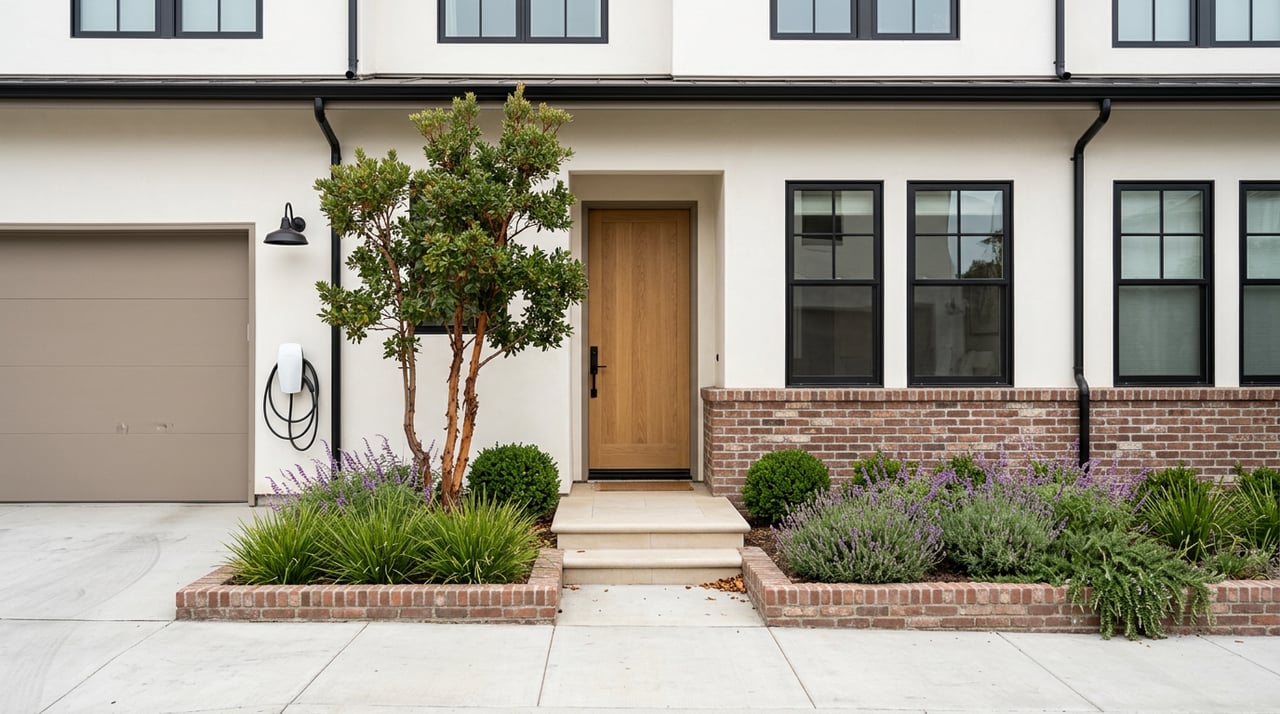
Thinking about a townhome in Mountain View but unsure how it stacks up against a condo or a small single-family home? You want low-maintenance living, private outdoor space, easy parking and a commute that fits your life. This guide walks you through real costs, HOA rules, EV charging, transit access, and the due diligence steps that protect your purchase. Let’s dive in.
Market snapshot
Mountain View is a competitive market with limited inventory. Recent platform snapshots show a citywide median home price near $1.8 million, and townhomes often sell quickly in walkable areas near Downtown, Caltrain and Shoreline. Expect townhomes to price below most single-family homes, though the gap can be modest in this city.
If you value a private garage, a small yard or patio, and short commute options, townhomes can balance lifestyle and cost. Inventory is tighter for townhomes than for condos, so you’ll want to be ready when the right fit appears.
Townhome vs. condo basics
Style vs. ownership
“Townhome” describes the building style: multi-level, one or two shared walls, and a private entrance. “Condominium” describes a legal form of ownership where you own the interior and share common areas. A townhome can be owned as fee-simple (you own the home and the land below) or as a condo within a common-interest development. Always confirm the legal title on each listing.
Why title matters
Ownership type affects maintenance, insurance and financing. In a fee-simple townhome, you may handle more exterior work. In a condo-form townhome, the HOA may cover more building elements. Lender rules can also differ based on project warrantability. Read the HOA documents and have your lender review the community early.
HOA costs and coverage
Typical dues and inclusions
Mountain View townhome HOA dues often range around 300 to 600 dollars per month, depending on age, amenities and insurance coverage. Many include exterior insurance, landscaping, common-area upkeep, and management. Ask exactly what your dues cover, including water, trash or earthquake insurance.
Documents to review
Request a full package before you remove contingencies. Prioritize:
- CC&Rs, bylaws, and rules for architectural changes, pets, parking and rentals.
- Last 12 to 24 months of meeting minutes and board resolutions.
- Annual budget report and reserve study summary. California requires associations to complete a professional visual reserve study at least every three years under Civil Code §5550 and to distribute an annual budget report with key disclosures under Civil Code §5300.
- Insurance summaries and deductibles.
- Delinquency rates and any litigation.
Red flags to watch
- Very low reserve funding or a recent special assessment without a clear long-term plan.
- High HOA dues delinquencies.
- Ongoing litigation that could impact future costs or insurability.
- Inconsistent or missing minutes, budgets or reserve updates.
Parking and EV charging
What to expect for parking
Many Mountain View townhomes include a private one or two-car garage, while some older communities use detached garages or carports. Confirm the number of deeded or assigned spaces, where they are located, and any guest parking rules. Some newer developments near transit may have reduced parking supply, so it is important to verify the exact parking entitlement for your unit.
EV rights in California
If you plan to install a charger, California law supports you. Under Civil Code §4745, associations must allow EV-charging installations with reasonable conditions that do not significantly raise costs or reduce efficiency. You typically cover installation and electricity, follow safety guidelines and provide insurance as required. Ask for the HOA’s EV application procedures early.
Guest and shared-parking rules
Review the community rules for guest parking limits, permits and time windows. If you host often, make sure the guest policy is practical for your lifestyle.
Commute and transit access
Downtown Mountain View centers on the Transit Center and Caltrain Station, with connections to VTA and employer shuttles. Many tech professionals prioritize townhomes within walking distance of Downtown Castro Street, the station or shuttle stops. You also get weekend access to Shoreline Park and Shoreline Amphitheatre. If you commute across the Peninsula, proximity to Caltrain can be a major quality-of-life upgrade.
Outdoor space and privacy
Private patios and balconies
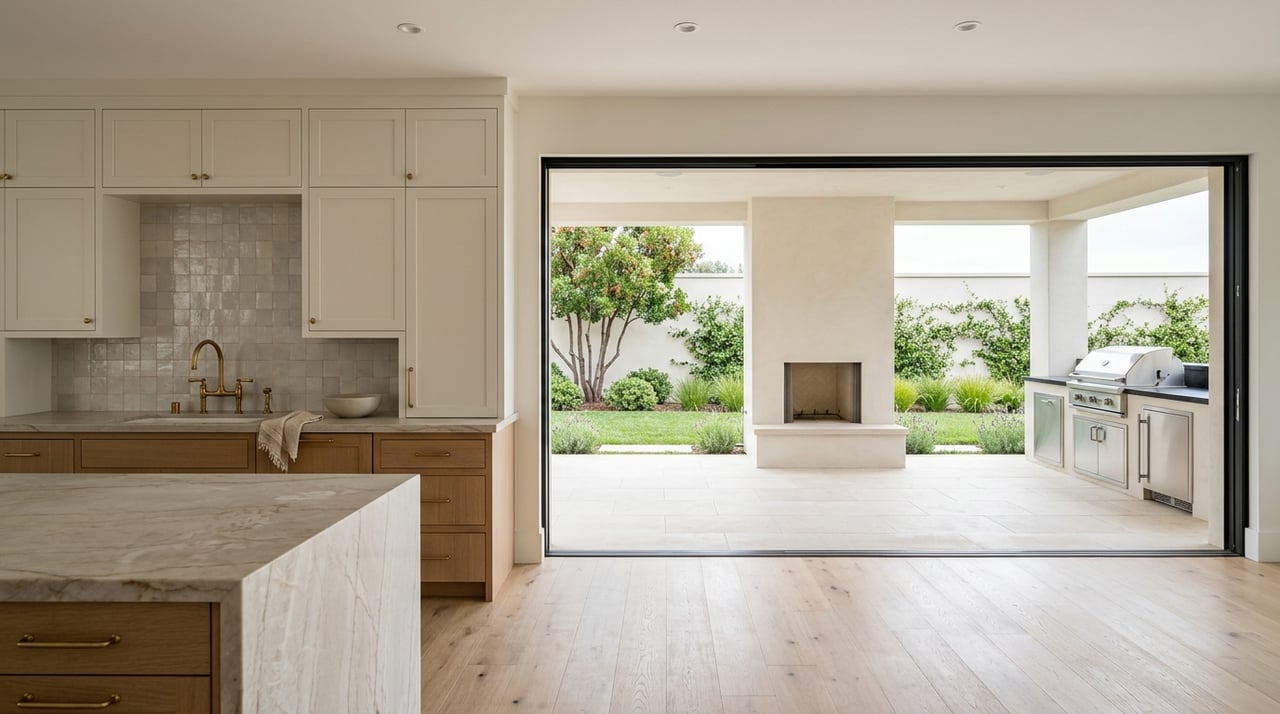
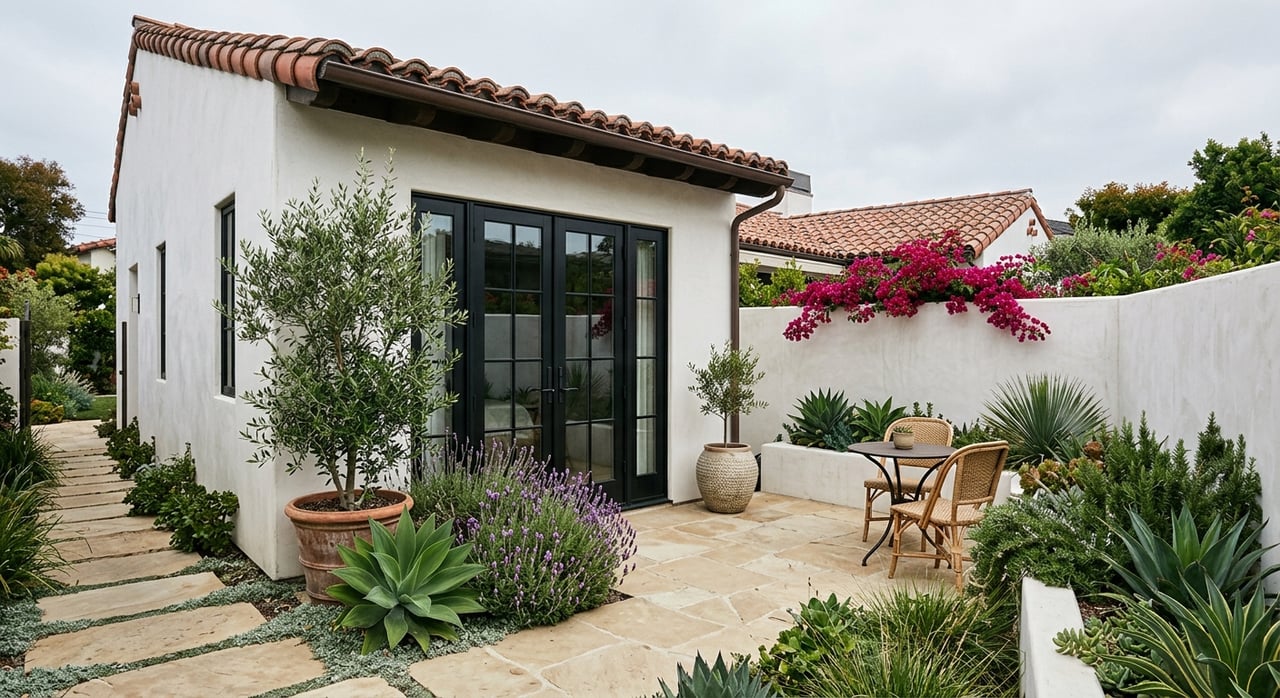
Townhomes often provide a patio, balcony or fenced yard. Corner or end units can offer more light and larger outdoor areas. If you want a small garden or a safe place for a pet, this can be a key advantage over many condos.
Noise and shared walls
Shared walls introduce some noise risk. End units reduce shared-wall exposure. Ask about construction type, insulation and the location of mechanicals. Visit at different times to get a real feel for sound and privacy.
Maintenance responsibilities
Townhomes sit between low-maintenance condos and more independent single-family homes. Confirm who handles roofing, siding and exterior paint in your community. The answer lives in the CC&Rs, the reserve study and the budget.
Monthly costs and taxes
Model the full payment
Calculate your total monthly cost: mortgage, property taxes, HOA dues, homeowners and earthquake insurance as applicable, and utilities. Remember to factor in long-term maintenance and a buffer for possible assessments.
Property tax basics
Santa Clara County uses a base Proposition 13 rate of 1.0 percent of assessed value plus local voter-approved bonds and assessments. Many areas round to about 1.14 to 1.15 percent in total. Check the specific tax-rate area on any listing to refine your estimate.
Special assessments
A healthy reserve plan reduces surprise costs. Review the reserve study’s percent-funded figure and five-year capital plan. If roofs, siding or paving are due soon without a funding path, plan for a possible assessment.
Financing and resale
Project warrantability
Some condo-form townhome communities face lender limits related to owner-occupancy, litigation or rental caps. Get a lender who can confirm project warrantability up front and have your agent secure HOA certifications early in the process.
Inventory and liquidity
Townhomes make up a smaller share of Mountain View inventory than condos or single-family homes. Demand concentrates in micro-markets like Downtown and Shoreline-adjacent neighborhoods. For resale, track days on market and list-to-sale ratios within your specific complex.
Buyer checklist
Use this list during your contingency period:
- Ownership and parking
- Confirm fee-simple vs. condo-form ownership.
- Verify deeded or assigned parking and guest rules.
- HOA and budget
- Review CC&Rs, bylaws, rules and meeting minutes.
- Read the annual budget report and reserve summary required by Civil Code §5300 and the reserve study requirements in Civil Code §5550.
- Note the percent-funded reserve and any planned projects.
- Check insurance coverages and deductibles.
- Ask about any recent or pending special assessments and the HOA’s delinquency rate.
- Lifestyle and condition
- Visit during peak hours to gauge noise and parking.
- Inspect common areas for deferred maintenance.
- Confirm pet, architectural and rental rules; see rental limits under Civil Code §4741.
- EV and utilities
- Ask for EV-charging procedures and costs protected by Civil Code §4745.
- Clarify which utilities are included in dues.
Quick walk-away signals
- No recent reserve study or missing annual budget report.
- High delinquency or active litigation without a resolution plan.
- Unclear parking assignments or inadequate guest parking for your needs.
- Large near-term projects with no funding path.
The bottom line
A Mountain View townhome can deliver a rare mix of low-maintenance living, private outdoor space, secure parking and strong commute options. Your best results come from verifying ownership type, reading the HOA’s budget and reserves closely, confirming parking and EV plans, and aligning location with your daily routes.
If you want a clear strategy, local comps and a checklist tailored to your target complexes, connect with Gea Carr for neighborhood-savvy guidance and a calm, well-managed buying experience.
FAQs
What is the difference between a townhome and condo ownership in California?
- A townhome is a style of home, while a condo is a legal ownership form; a townhome can be fee-simple or condo-form, which changes maintenance, insurance and financing.
How much are typical HOA dues for Mountain View townhomes?
- Many communities land around 300 to 600 dollars per month, varying with age, amenities, and what is included, such as exterior insurance and landscaping.
Are EV chargers allowed in Mountain View HOAs?
- Yes, California’s Civil Code §4745 protects owners’ rights to install EV charging with reasonable HOA conditions.
How do rental restrictions work in Mountain View HOAs?
- HOAs can set reasonable rental rules but are limited by Civil Code §4741; always review the CC&Rs and city short-term rental rules.
Who maintains the roof and exterior in a townhome community?
- It depends on your community’s CC&Rs; many condo-form townhomes place exterior elements under HOA care, while fee-simple setups can shift more to the owner.