Wondering if you can move up in Willow Glen without stretching too far? You are not alone. Many homeowners here want more space, better systems, or a layout that fits the next stage of life, but they also want to stay in the neighborhood character they already love. This guide will help you think through timing, equity, cash needs, taxes, and offer strategy so you can move with more clarity and less stress. Let’s dive in.
Why move-up buying feels different here
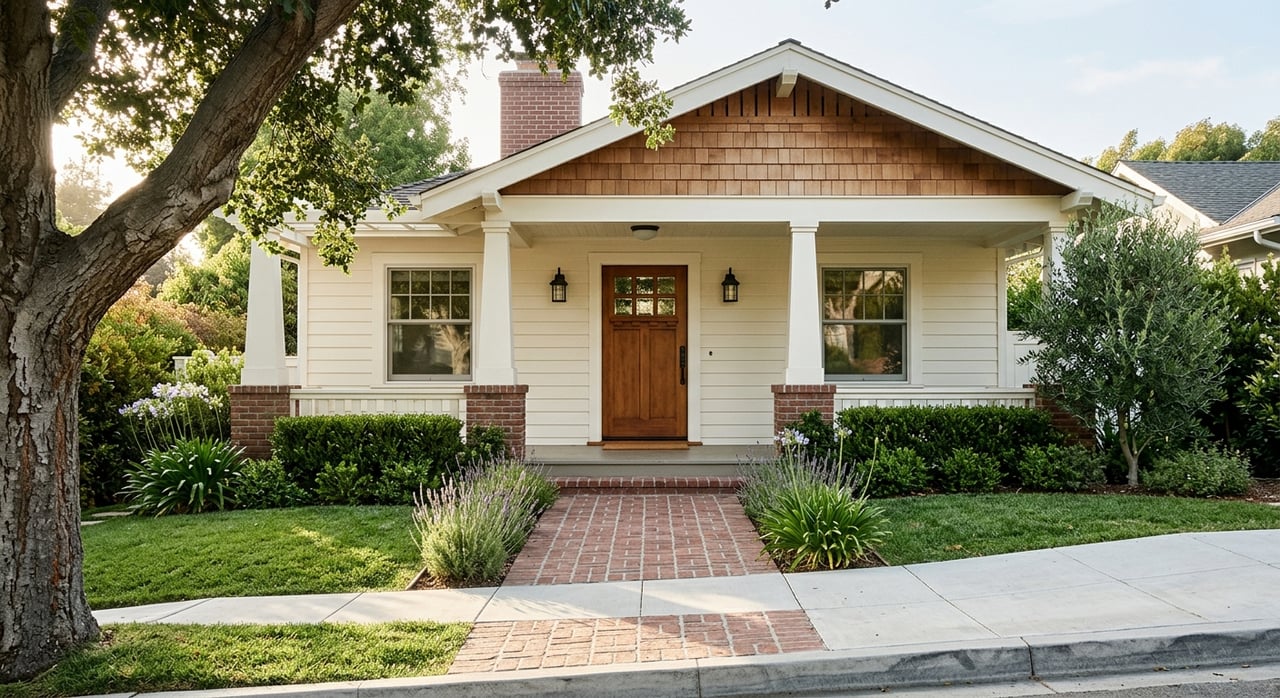
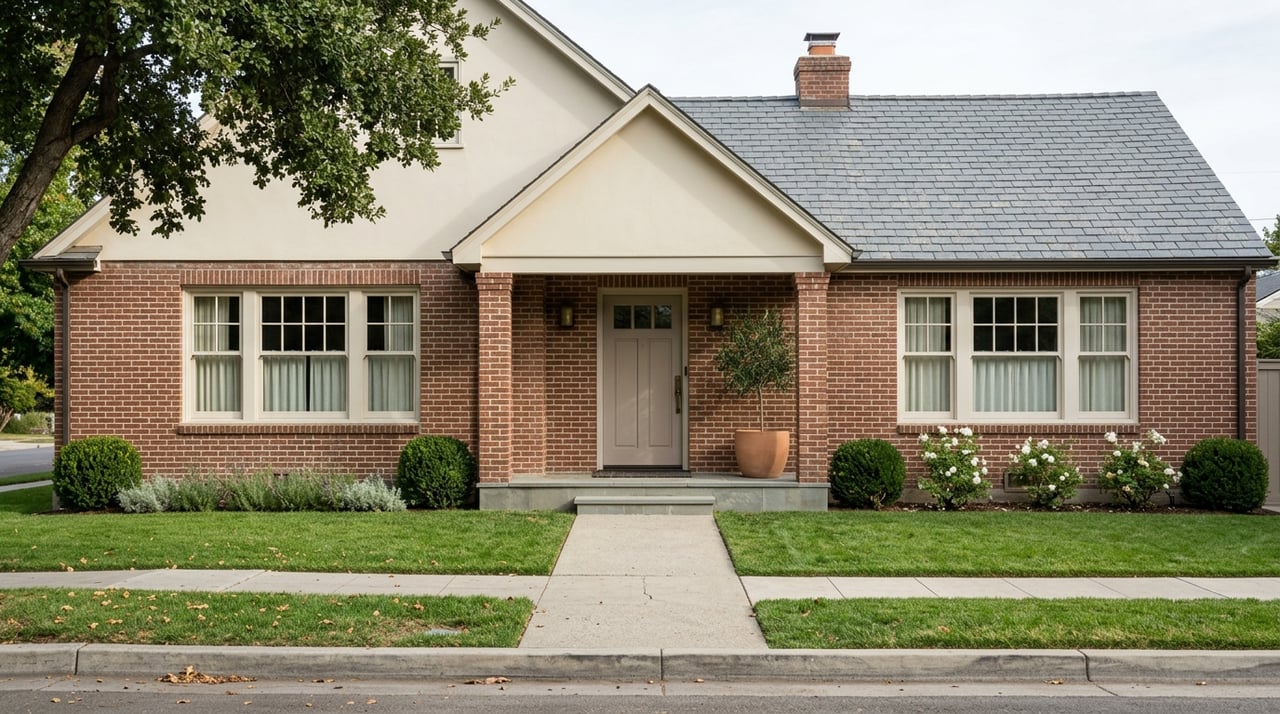
Willow Glen has a distinctive pull. Its tree-lined streets, historic homes, unique architecture, and small-business feel make it easy to understand why many owners want to stay local even as their housing needs change.
That creates a specific kind of move-up search. You may be looking for more square footage, an extra bedroom, updated plumbing or electrical, or a lower-maintenance townhome or condo, while still wanting the charm and convenience that drew you here in the first place.
The market also moves quickly. Over the three months ending May 2026, Willow Glen homes averaged about 4 offers, sold in about 10 days, and closed at a median price of $1,920,854. The average sale-to-list ratio was 104.5%, 68.1% sold above list price, and 25.4% had price drops.
That combination matters. It tells you the market is competitive, but not perfectly uniform. Good homes can move fast and attract strong interest, yet pricing and property condition still play a major role.
Start with your real move-up budget
Before you look at homes, get specific about what you can actually spend. A practical move-up plan separates equity, transaction costs, and reserve cash.
A useful starting formula is this: expected sale proceeds = expected sale price minus mortgage payoff, selling costs, closing costs, and any liens or repair credits. That number gives you a better planning baseline than simply looking at your current home’s estimated value.
From there, compare your expected proceeds with the likely cash needed for the next purchase. The California Department of Real Estate notes that buyers commonly need 5% to 20% for a down payment, plus another 3% to 7% of the purchase price for closing costs.
At Willow Glen’s recent median sale price of $1,920,854, a 20% down payment is about $384,171. Closing costs at 3% to 7% would be roughly $57,626 to $134,460. Those are large numbers, which is why move-up planning works best when you run the math early.
Keep reserve cash in the plan
It can be tempting to pour every available dollar into the down payment. In practice, that can leave you exposed right after closing.
You should also leave room for moving expenses, repairs, furnishings, and the normal surprises that come with a bigger or older home. If you are buying a property with character, budgeting for post-closing projects is especially important.
Count recurring costs, not just the mortgage
If you are moving from one single-family home to another, your monthly cost picture may shift more than expected. Property taxes, insurance, and utility costs all deserve a fresh look.
If your move-up options include a condo or townhome, add HOA dues and any special assessments to your monthly budget. The California Department of Real Estate specifically advises buyers to account for HOA dues, special taxes, and assessments when evaluating affordability.
Decide whether to sell first or buy first
This is one of the biggest move-up decisions. In many cases, homeowners try to sell their current home before buying the next one.
That approach can reduce risk because it helps you know exactly how much equity you have available. It can also lower the chance of carrying two housing payments at once.
Still, there is no one-size-fits-all answer. In Willow Glen, where homes often move in about 10 days, the better choice often depends on how strong your equity position is and how much cash reserve you can comfortably keep available.
When selling first makes sense
Selling first may be the cleaner option if your next purchase depends heavily on proceeds from your current home. It can also help if you want more confidence around your down payment, closing costs, and monthly payment before writing offers.
There is another advantage. If your current home needs repairs or presentation work before listing, you can focus on maximizing that sale first instead of trying to manage two demanding timelines at once.
When buying first may be possible
Buying first may work if you have substantial equity, strong income, and enough reserve cash to manage a brief overlap. In that case, you may have more flexibility to secure the right house before your current one closes.
Some homeowners consider a lender-backed bridge strategy such as a HELOC. A HELOC is borrowing against your home equity, and it is secured by the home, so repayment risk needs to be weighed carefully.
Prepare your financing before the right home appears
In a short decision-window market, preparation can matter as much as price. If the right home comes up, you may not have much time to get organized.
A stronger offer file is usually built in advance. That means confirming your purchase budget with a lender, comparing loan options, and understanding what payment range still feels comfortable after taxes, insurance, and reserves.
The Consumer Financial Protection Bureau recommends getting at least three preapprovals and comparing multiple loan offers. That comparison can help you evaluate both cost and flexibility before you need to act quickly.
Know your non-negotiables
Competitive does not mean careless. The California Department of Real Estate advises buyers to include contingencies for loan qualification, inspections, repairs, pest control, home warranties, and other special terms.
The key is deciding ahead of time which protections are essential for you. If you know your must-haves before a home hits the market, you can move faster without making rushed decisions.
Watch value, not just speed
Because many Willow Glen homes sell above list price, it is easy to assume every good property requires an aggressive offer. But the market data also shows that 25.4% of homes had price drops.
That is your reminder to stay disciplined. Some homes are commanding strong terms because they are well-priced, well-prepared, or especially desirable. Others may need work, may be overpriced, or may simply be less aligned with buyer demand.
A smart move-up strategy balances urgency with judgment. Move quickly on a strong fit, but keep evaluating condition, layout, location, and long-term livability.
Character versus convenience
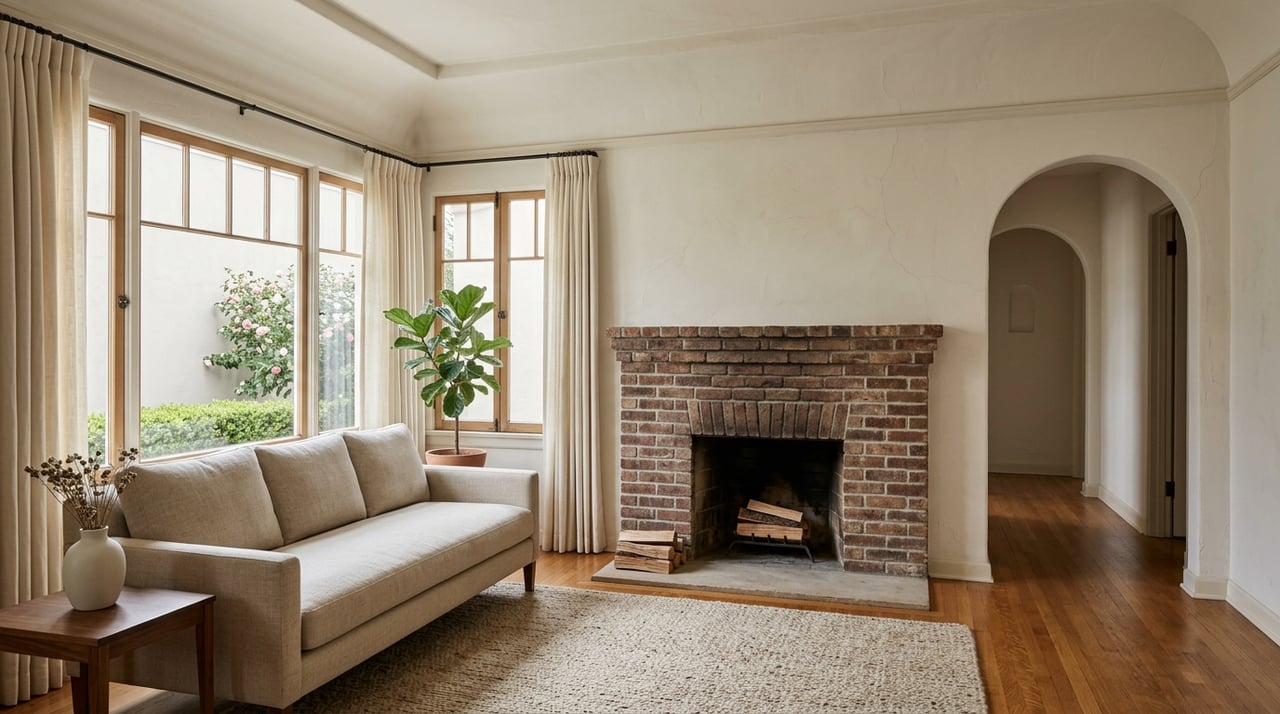
This tradeoff comes up often in Willow Glen. You may find yourself comparing a charming older home with more maintenance needs against a more updated property with less architectural character.
Neither choice is automatically better. What matters is whether the home supports your daily life, your budget, and the amount of work you want to take on after closing.
Get clear on condition before you commit
If you are moving up into an older or more distinctive property, condition deserves extra attention. Buyers are likely to inspect electrical, plumbing, and structural systems and may negotiate repairs.
That matters whether you are buying or selling. If you will sell your current Willow Glen home first, visible condition and repair readiness can affect the outcome, which is why a pre-sale inspection or targeted repair plan may be worth considering.
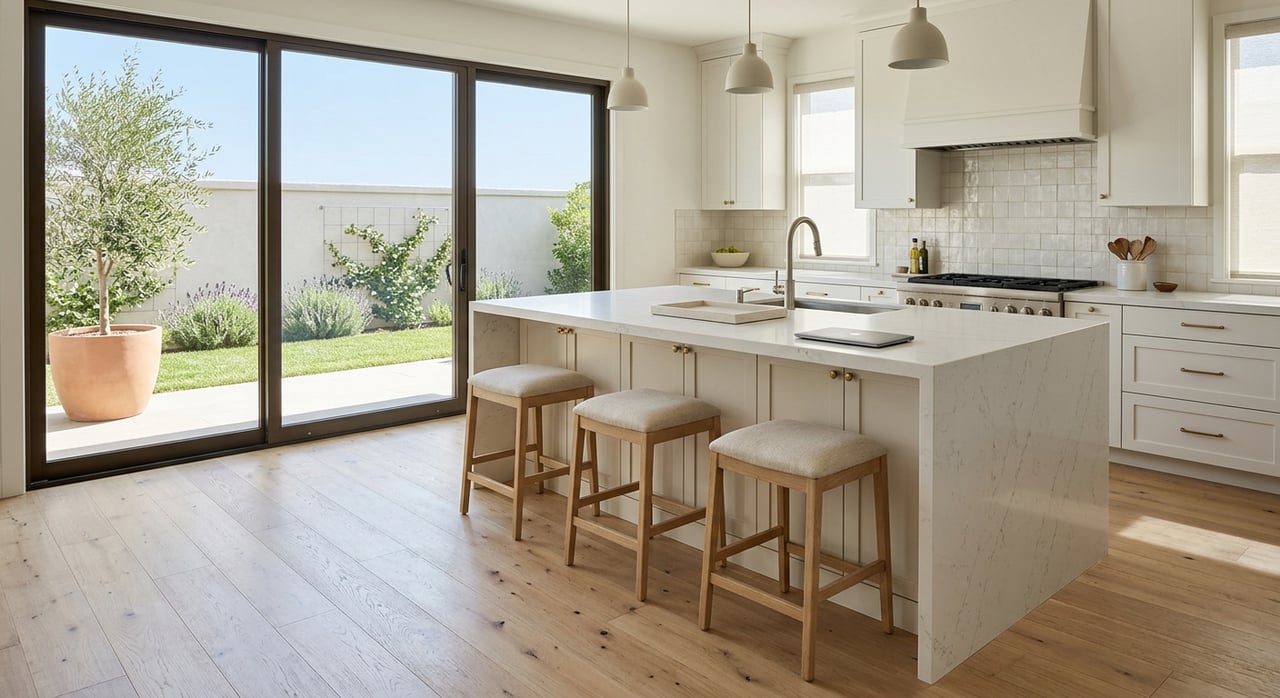
When buying, look beyond finishes. Updated kitchens and fresh paint are appealing, but core systems often carry the bigger long-term cost.
Plan for taxes after closing
Property taxes are one of the most important budgeting items in Santa Clara County. The county mails secured property tax bills in October, with the first installment due November 1 and delinquent after December 10. The second installment is due February 1 and delinquent after April 10.
There is another item many buyers miss. Most supplemental tax bills are mailed within nine months after a change in ownership, and they are usually not prorated in escrow or paid through lender impounds.
That means a bill can arrive after you close, even if your monthly payment already feels settled. For move-up buyers, this is a strong reason to keep cash reserves intact.
Measure E and higher-end purchases
San José’s Measure E real property transfer tax is exempt up to $2.3 million as of July 1, 2025. Above that, the tax applies at 0.75% from over $2.3 million to $5 million, 1.0% from over $5 million to $10 million, and 1.5% above $10 million.
Because Willow Glen’s current median sale price is below that threshold, many typical sales may be exempt. Still, if you are moving into a higher-end property, this is a local cost to review early.
Proposition 19 may help some buyers
If you are over 55, severely disabled, or qualifying after a disaster, Proposition 19 may materially improve affordability. Santa Clara County says eligible homeowners may transfer the assessed value of a primary residence to a replacement home anywhere in California, may use the benefit up to three times, and generally must complete the second transaction within two years of the first.
For the right homeowner, that can make a move-up purchase more manageable than expected. It is worth exploring early if you think you may qualify.
Build a simple move-up workflow
A move-up plan gets easier when you break it into steps. Instead of trying to solve everything at once, focus on the sequence.
Here is a practical workflow for Willow Glen buyers:
- Estimate net proceeds from your current home sale.
- Confirm your purchase budget with a lender.
- Set your reserve cash target.
- Decide whether selling first or buying first fits your risk tolerance.
- Identify your non-negotiable contingencies.
- Line up escrow and title early so both transactions can close together.
Escrow is a neutral third party in the transaction, and title insurance protects the buyer and lender against unknown title defects. It also helps to remember that loan closing and home purchase closing typically happen at the same time, which is why coordination matters so much in a move-up transaction.
The bottom line for Willow Glen move-up buyers
Moving up in Willow Glen is not just about buying more house. It is about making a smarter transition from one stage of ownership to the next without losing control of your budget.
The local market rewards preparation. Homes are still moving quickly and often drawing multiple offers, but the mix of above-list sales and price drops shows that discipline still matters.
If you want more space, better function, or a home that better fits your next chapter while staying close to the neighborhood feel you already value, a well-planned strategy can make that move much more achievable. If you are thinking about your next step in Willow Glen, Gea Carr can help you map out the sale, the purchase, and the timing with local insight and a steady hand.
FAQs
How much equity do you need to move up in Willow Glen?
- You need enough equity to cover your mortgage payoff, selling costs, closing costs, and any liens or repair credits, while still leaving funds for your down payment, closing costs on the new purchase, and reserve cash.
Should you sell your current home before buying in Willow Glen?
- Many homeowners sell first to reduce risk and confirm available proceeds, but buying first may work if you have substantial equity, strong reserves, and a plan for any overlap in payments.
How much cash should you keep after closing on a Willow Glen move-up home?
- You should keep reserve cash for moving, repairs, furnishings, and possible supplemental property tax bills that can arrive after closing in Santa Clara County.
Do property taxes reset when you buy a move-up home in Willow Glen?
- A change in ownership can trigger supplemental tax bills, and Santa Clara County notes those bills are usually mailed within nine months and are usually not prorated in escrow or paid through lender impounds.
How can you stay competitive when buying in Willow Glen without overextending?
- Prepare financing early, compare loan offers, decide your key contingencies in advance, and move quickly on strong-value homes while staying disciplined on price and condition.