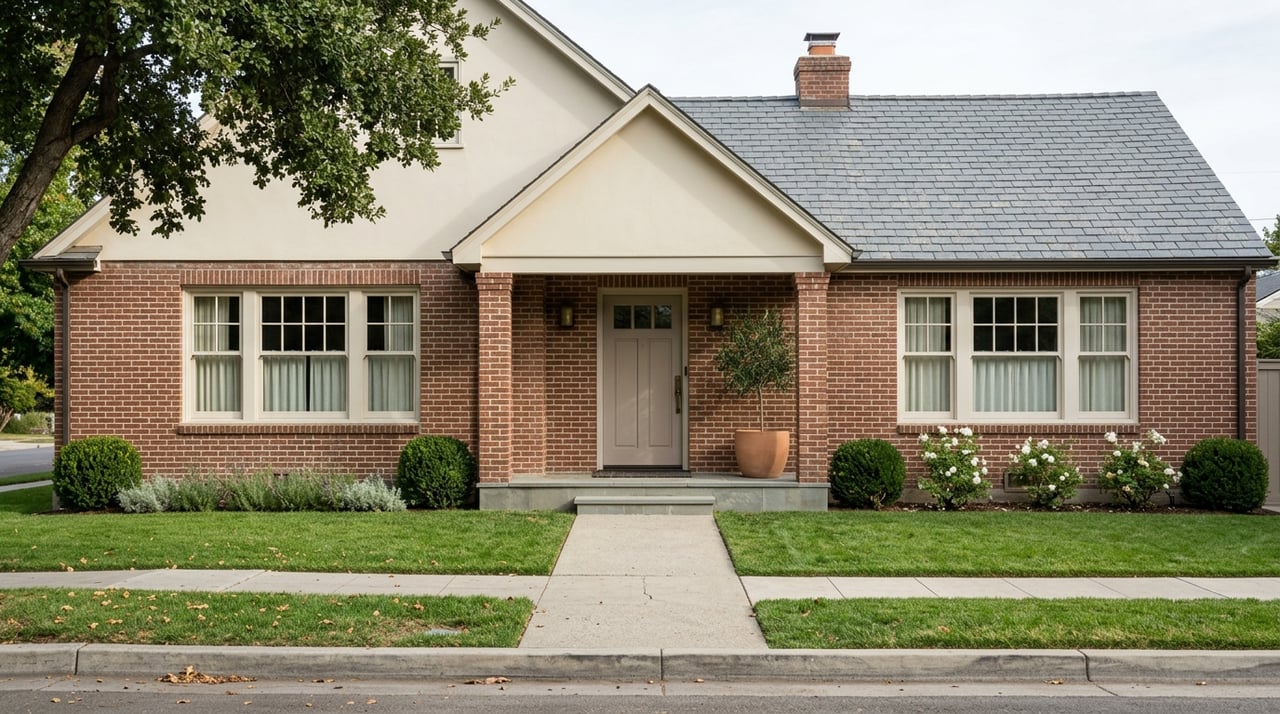
If you’re getting ready to sell in Rose Garden, one question can shape your whole strategy: should you renovate first, or sell the home as is? That choice affects your timeline, budget, stress level, and likely buyer response. In a neighborhood known for character homes and premium pricing, the right answer is usually not all or nothing. This guide will help you weigh local market conditions, permit realities, and resale math so you can make a smart, confident decision. Let’s dive in.
Rose Garden market conditions matter
Rose Garden remains a premium San Jose market, and homes are still moving. Redfin’s April 2026 data shows a median sale price of $1,779,339 and a median 10 days on market, while Realtor.com’s March 2026 snapshot shows a median listing price of $1,998,888 and 36 median days on market. The numbers differ by source, but they point in the same direction: buyers are active, and presentation still matters.
Citywide, San Jose was also strong in spring 2026. Realtor.com reported a 102% sale-to-list ratio and 26 median days on market. For you as a seller, that means you may not need a major overhaul to attract attention, but condition can still influence how quickly you sell and how competitive your offers look.
Rose Garden buyers notice condition
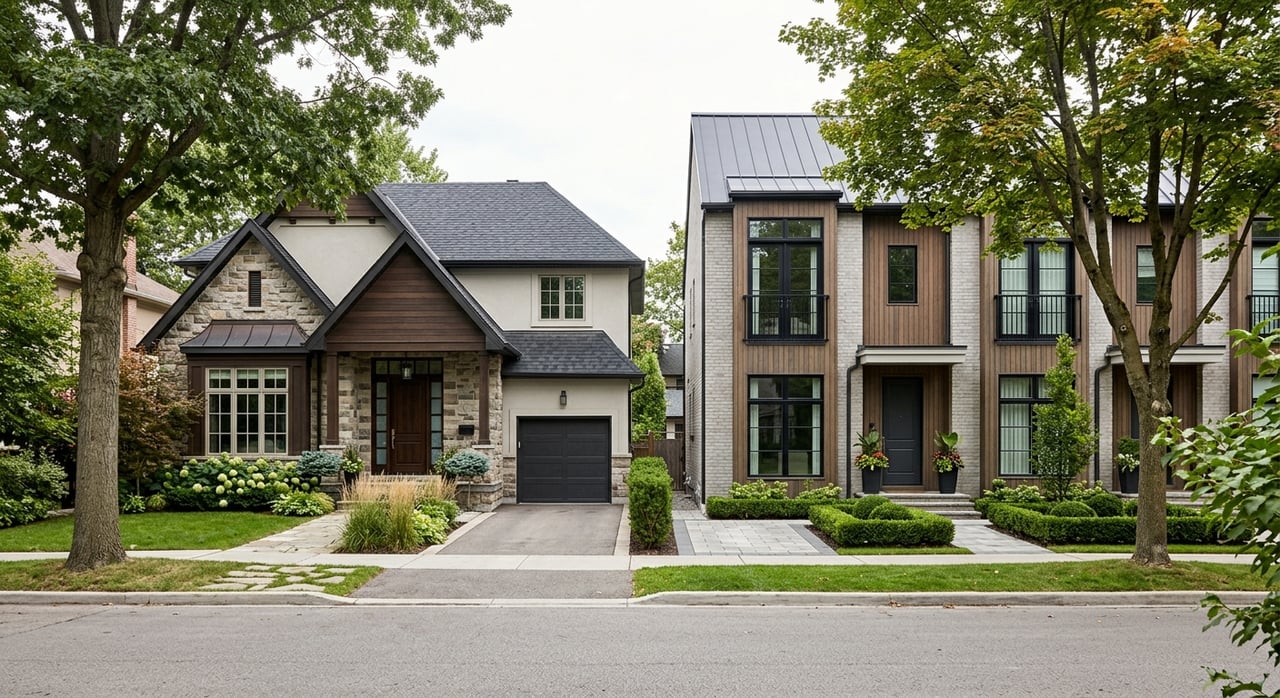
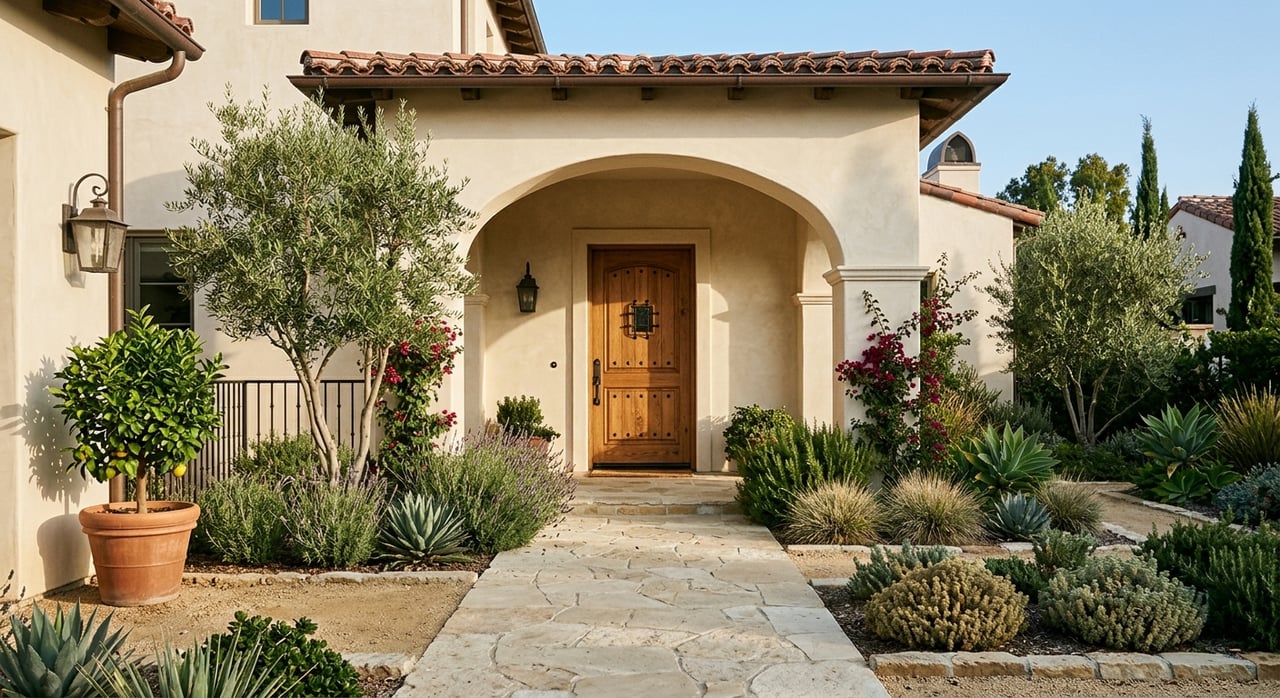
Part of Rose Garden’s appeal is its older, established housing stock. San José’s historic-context materials describe westside and early suburban expansion areas as places that developed largely before World War II, and the city’s architectural guide notes residential styles such as Craftsman, Mission or Spanish Revival, and Tudor Revival.
That setting creates a familiar pattern for sellers. Buyers often value the home’s character, setting, and location, but they also want kitchens, baths, systems, and finishes to feel current. A home can absolutely retain its original charm, but obvious wear or dated finishes may narrow your buyer pool or invite lower offers.
When selling as is makes sense
Selling as is can be the right move when the home is basically functional and the needed work is more about taste than major defects. If the layout works, the structure is sound, and updates would push you into a longer permit or construction process, a clean as-is sale may protect your time and reduce risk.
This path can also make sense when you want speed, simplicity, or less disruption. That may apply if you are handling an estate sale, preparing for relocation, or simply do not want to manage contractors before listing. In a premium neighborhood like Rose Garden, many buyers will still be interested in a well-located home with original details, especially if the price reflects condition.
Still, as is is not a free pass to ignore known issues. In California, disclosure rules still apply. Civil Code section 1102 says any waiver of the disclosure rules is void, the Transfer Disclosure Statement covers the physical condition of the property and potential hazards or defects, and San José reminds sellers that unpermitted work must be disclosed when selling.
What as is really means in California
Many sellers hear “as is” and assume it limits what they need to share. It does not. In practice, as is is a pricing and scope decision, not a disclosure shortcut.
That distinction matters in older neighborhoods, where homes may have had repairs, updates, or additions over time. If work was done without permits where permits were required, that is something you still need to disclose. A thoughtful pre-listing strategy can help you decide whether to address certain items before going live or price with them in mind.
When selective updates are worth it
For many Rose Garden sellers, the best answer is the middle path. Instead of a full remodel, a focused punch-list refresh can improve first impressions, reduce buyer hesitation, and help your home compete without dragging you into a long renovation.
This approach fits the local rules and the likely buyer mindset. Smaller, visible improvements often do more for marketability than expensive behind-the-walls changes that buyers may not fully value. If your home shows well but feels a little tired, selective updates may offer the best balance of cost, speed, and return.
Best pre-sale projects to consider
Based on San José permit guidance and the resale patterns in the research, these are the updates most sellers should consider first:
- Interior and exterior paint where appropriate
- Flooring updates
- Cabinet refacing or replacement
- Countertop replacement
- Tile work
- Lighting updates
- Front-door refreshes
- Hardware updates
- Light landscaping and cleanup
- Minor kitchen or bath updates when the existing layout still works
San José states that cosmetic work such as painting, cabinet refacing or replacement, countertop replacement, flooring, sheetrock and taping, and tile work with no structural change does not require a building permit. That can make these improvements faster and easier to complete before listing.
Why small projects often win
The resale math supports a measured approach. The 2025 Remodeling Impact Report says buyers are less willing to compromise on home condition, and real estate professionals most often recommend painting the entire home, painting one room, or replacing the roof.
The same report found that some of the strongest resale-recovery projects were smaller or mid-scale improvements. A new steel front door showed 100% recovery, a closet renovation 83%, a new fiberglass front door 80%, a complete kitchen renovation 60%, a minor kitchen upgrade 60%, and a bathroom renovation 50%. That does not guarantee your exact return, but it does support the idea that visible, practical upgrades often outperform large, expensive remodels.
When major renovation may not pay off
A large renovation can sometimes make sense, but it should clear a much higher bar. If your home has a clear functional issue, such as a layout problem that buyers are likely to resist, a bigger project may be worth exploring. Even then, the expected price lift needs to outweigh time, carrying costs, and the risk of over-improving for the neighborhood.
In San José, major remodels and additions can trigger plan review when they involve walls, windows, framing, or fixture relocation. For single-family projects, the city estimates about 10 working days for first-round review of a one-story addition or an alteration with no structural calculations, and 15 working days for a two-story addition. That is just one part of the process, and it can add real time before your home ever reaches the market.
There is also a property tax angle to keep in mind. Santa Clara County notes that ordinary remodeling is not generally reassessed unless new square footage or fixtures are added, while substantial work can count as new construction. For sellers, that means a bigger project may bring more complexity and cost without guaranteeing a matching bump in resale value.
Historic status can change your options
In Rose Garden, this point deserves extra attention. If your property is listed on the Historic Resources Inventory, extra rules may apply.
City Landmark or Landmark District properties need a Historic Preservation Permit. Other HRI-listed single-family homes need a Single-Family House Permit, and certain exterior work like doors, windows, trim, reroofing, small side or rear additions, fences, and landscaping is reviewed against design guidelines. Ordinary maintenance, such as painting or in-kind repairs that do not change the exterior appearance, does not require a Historic Preservation Permit.
If your home falls into one of these categories, your pre-sale strategy should be especially careful. A simple refresh may still be easy to complete, but exterior changes could involve more review than you expect.
A practical decision framework
If you are weighing renovate versus sell as is, use these three questions to guide your decision.
1. Is the work cosmetic or structural?
If the work is mainly cosmetic, a refresh is often worth considering. In San José, many cosmetic updates do not require a building permit, which can help you move faster.
If the work involves walls, framing, window changes, or moving fixtures, the project becomes more complex. That may push you away from pre-sale renovation and toward pricing the home appropriately instead.
2. Will buyers see the value immediately?
The strongest pre-sale projects are usually highly visible. Buyers notice paint, flooring, lighting, counters, landscaping, and a refreshed entry right away.
They may not value hidden construction work the same way, especially if it delays your listing. If the improvement does not create a clear visual or functional payoff, it may not be the best place to spend before selling.
3. Are you improving or over-improving?
Rose Garden supports premium pricing, but that does not mean every dollar spent before listing comes back to you. The goal is usually to make the home feel cared for, current, and competitive, not to build your dream remodel for the next owner.
That is why many sellers do best with a targeted plan. Clean up deferred maintenance, fix the items buyers will question, and improve the areas that shape first impressions.
The smartest path is usually strategic, not extreme
In Rose Garden, the decision is rarely as simple as “renovate everything” or “do nothing.” The local market is strong, but buyers still respond to presentation and condition. In many cases, the best result comes from a design-sensitive, high-visibility refresh that respects your timeline and avoids unnecessary permit or construction risk.
If you own a character home, that balance matters even more. You want to preserve what makes the property special while making it easier for today’s buyers to say yes. With the right local guidance, you can choose updates that support your sale instead of complicating it.
If you’re deciding how much work to do before listing your Rose Garden home, Gea Carr can help you create a smart, neighborhood-specific plan that balances presentation, timing, and net proceeds.
FAQs
Should Rose Garden sellers renovate before listing a home?
- Not always. In many Rose Garden sales, selective cosmetic updates offer a better balance of cost, speed, and buyer appeal than a full remodel.
Can Rose Garden sellers do cosmetic updates without permits in San José?
- Often, yes. San José says painting, cabinet refacing or replacement, countertop replacement, flooring, sheetrock and taping, and tile work with no structural change do not require a building permit.
What does selling as is mean for Rose Garden homeowners in California?
- Selling as is means you are offering the property in its current condition, but it does not remove your disclosure obligations. Known defects and unpermitted work still need to be disclosed.
Do major remodels delay a Rose Garden home sale?
- They can. In San José, major remodels or additions that affect walls, windows, framing, or fixture locations can trigger plan review and extend your timeline.
Are historic Rose Garden homes subject to extra renovation rules?
- Some are. If a home is listed on the Historic Resources Inventory, certain exterior work may require additional review or permits depending on the property’s status.
Which pre-sale updates usually matter most for Rose Garden homes?
- The most practical updates are often paint, flooring, lighting, front-door improvements, light landscaping, and minor kitchen or bath updates that keep the existing layout in place.