Do you love the warmth of a 1920s bungalow but want modern livability and peace of mind? If you own or plan to buy in the Rose Garden neighborhood of San Jose, you are navigating a special segment where charm, condition, and permits can matter as much as square footage. This guide breaks down how character homes trade, what drives pricing, and the steps that help you move with confidence. You’ll come away with a clear plan tailored to Rose Garden’s vintage housing stock and today’s buyer expectations. Let’s dive in.
What makes a Rose Garden character home
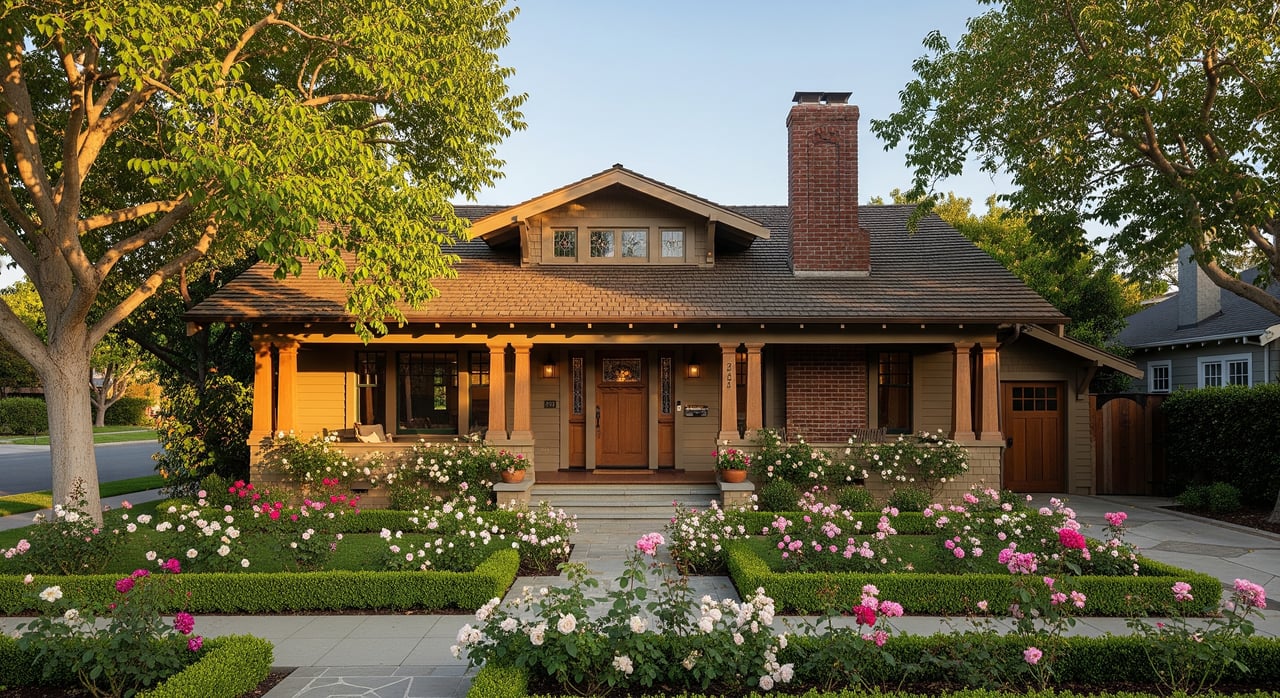
Rose Garden’s housing stock is rich with early to mid 20th-century architecture. You’ll see Craftsman and Bungalow homes, Tudor and English Cottage, and Spanish or Colonial Revival styles from roughly the 1910s through the 1940s. These homes often feature mature tree-lined streets, detached garages, and period details like built-ins, original woodwork, and plaster walls.
Typical floor plans reflect their era. Expect defined rooms and kitchens that may be smaller than new construction. Some homes remain well preserved, while others have been opened up or fully remodeled. That mix creates distinct buyer segments and price points within the neighborhood.
Who buys character homes here
Buyers are drawn to the neighborhood’s history, proximity to parks, and central San Jose location. Common profiles include:
- Move-up buyers and families who want period appeal with practical updates.
- Longtime locals who value heritage and block-by-block street appeal.
- Investors or remodel-minded buyers who see potential in additions or ADUs.
- Commuter and tech professionals who weigh access to downtown, transit corridors, and parking.
What drives value and price
Pricing for Rose Garden character homes is shaped by a predictable set of factors. If you are comparing options, focus on the following in this order:
- Location on the block and proximity to the Municipal Rose Garden, plus traffic and noise.
- Architectural integrity and curb appeal, including period features and landscaping.
- Condition and systems such as roof, plumbing, electrical, HVAC, and foundation or seismic updates.
- Size and usable square footage, especially permitted additions that improve layout.
- Permits and entitlement status for prior work or ADUs.
- Recent comparable sales of similar vintage and style within Rose Garden and nearby areas.
- Overall supply and demand, including interest rates and local employment trends.
- Parking and garage condition or access.
- School boundaries, which can influence some buyers.
When a home blends authentic details with updated systems and livable flow, it often competes for top-of-market attention. If major mechanicals or permits are not in place, buyers typically price in risk.
How comps work for vintage homes
Comparing character homes is not as simple as price per square foot. Original layouts vary, and usable area matters as much as raw size. A fully modernized period home may compare more closely with newer construction than with a minimally updated bungalow of similar square footage.
To price or bid well, filter comparable sales by era and style, then by level of modernization. Give extra weight to homes with similar floor plans, updates, and permit history. Cross-check closed sales through the local MLS and county records for accuracy.
Seasonality and demand
Buyer interest in central San Jose neighborhoods like Rose Garden runs year-round, with common peaks in spring and early summer. Families often time moves around school calendars. Broader factors such as interest rates and inventory levels can amplify or moderate these patterns.
Prepare to sell: a practical checklist
Presentation and readiness can shorten days on market and improve offers. Use this list to minimize surprises and highlight what buyers value.
- Curb appeal refresh: tidy landscaping, fresh exterior touch-ups, clean roof and gutters.
- Interior prep: declutter, stage for flow, and showcase period details like millwork and built-ins.
- System priorities: address roof leaks, visible structural concerns, active pest issues, and outdated electrical or plumbing.
- Pre-listing inspections: consider general, roof, termite, sewer lateral, and foundation evaluations when appropriate.
- Permit file: pull city and county histories for prior remodels, additions, and any ADU work; organize approvals and finals.
- Transparency: share inspection summaries and permit documents to reduce friction and renegotiations.
- Marketing assets: invest in professional photography, floor plans, and virtual tours to increase showings.
- Highlight both character and comfort: call out original windows and woodwork alongside kitchen and bath updates, HVAC, and storage.
Buying a character home with confidence
Older homes reward careful diligence. Here’s how to approach your search and offer strategy.
- Budget for improvements: plan for both visible updates and behind-the-walls items such as electrical upgrades or plumbing.
- Inspection scope: include general, roof, sewer lateral, termite, and any needed structural evaluations.
- Permit review: verify that major work was permitted and finalized; consider timelines and costs if you plan to add or reconfigure space.
- Contingency strategy: align inspections and appraisal with your risk tolerance, especially when competing.
- Layout planning: if you want an open plan, confirm structural feasibility and potential design paths before closing.
- ADU potential: explore site layout, setbacks, and parking requirements to understand value-add opportunities.
Permits, ADUs, and historic context
If you plan upgrades, check City of San Jose Planning and Historic Preservation resources to understand any overlays or guidelines that could affect your project. California’s accessory dwelling unit rules have streamlined many applications, yet local standards still govern setbacks, parking, and processing steps.
Sellers must meet California disclosure obligations such as the Transfer Disclosure Statement and Natural Hazard Disclosure. In older homes, buyers often focus on foundations, chimney bracing, electrical safety, and wood-destroying organism reports. Clear documentation helps keep timelines on track.
What to verify before you price or bid
Whether you are listing or making an offer, gather the data that directly informs value for Rose Garden’s vintage housing stock.
- Last 6 to 12 months of Rose Garden closed sales filtered for pre-1950 homes.
- Level of modernization for those sales, and how updates affected sale-to-list ratios.
- Median days on market and inventory trends within the neighborhood.
- Price segments, from entry-level character homes to fully restored properties.
- Common contingencies and negotiation points related to permits and inspections.
- Recent examples where unpermitted work impacted pricing or escrow.
Why local expertise matters
Character-home outcomes hinge on details that do not always show up in a quick online search. Block-to-block differences, permit histories, and the interplay between original details and system upgrades can swing pricing and time to close. A design-sensitive marketing plan that honors the home’s architecture, paired with accurate comps and transparent disclosures, gives you a tangible edge.
If you want guidance tailored to your home or search, connect with a neighborhood specialist who pairs hands-on staging and pre-sale strategy with broad market reach. To explore your options or request a confidential valuation, contact Gea Carr.
FAQs
What counts as a “character home” in Rose Garden?
- Homes built roughly 1910s to 1940s with period architecture such as Craftsman, Tudor, and Spanish or Colonial Revival, often with original woodwork, built-ins, and vintage floor plans.
How do buyers value original details versus modern updates?
- Many buyers want both, so authentic features plus updated systems and kitchens or baths usually draw the strongest offers, while deferred maintenance can reduce price or lengthen timelines.
Are price-per-square-foot metrics reliable for vintage homes?
- They are a rough guide only; layout, usability, level of modernization, and permit history often matter more than raw square footage when you compare sales.
What inspections are most important for older Rose Garden homes?
- A general inspection plus roof, termite, sewer lateral, and, if indicated, foundation or structural evaluations help identify common age-related issues.
Do unpermitted improvements affect selling price or escrow?
- Yes, missing permits often trigger discounts, repair requests, or delays while retroactive approvals are addressed, so it pays to verify and organize documentation early.
When is the best time to list a character home in Rose Garden?
- Buyer interest is steady year-round, with frequent peaks in spring and early summer, though interest rates and inventory can shift the timing that works best for your goals.