Is your Rose Garden home full of character, but you worry that prepping it for sale might erase its soul? You are not alone. Many longtime owners want a premium price without compromising history. In this guide, you will learn how to stage and lightly update a historic home so buyers see authenticity and comfort, not a project. Let’s dive in.
What Rose Garden buyers want
Buyers in Santa Clara’s Rose Garden look for two things: authentic architectural detail and modern comfort. They respond to original woodwork, built‑ins, fireplaces and garden charm, paired with updated kitchens and baths, reliable systems and efficient HVAC. You can often command more when your home shows preserved character alongside clear evidence of maintenance and tasteful, sympathetic upgrades.
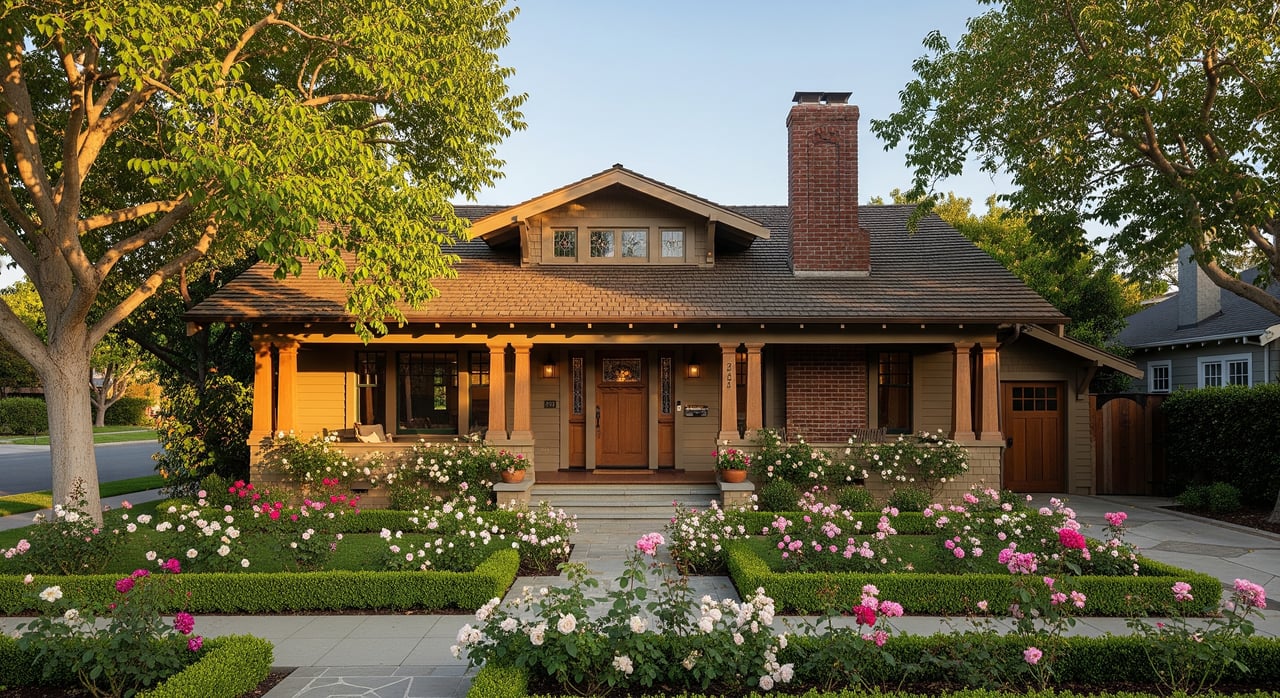
Curb appeal matters here. The neighborhood identity and streetscape mean a cared‑for garden and porch set the tone. A tidy entry, fresh paint where needed and period‑appropriate plantings create a strong first impression.
Protect the heritage, know the rules
Before you plan changes, confirm whether your property is individually designated or within a local historic district. Historic or landmark status can affect what you can alter, especially on the exterior. Early contact with the City of Santa Clara’s historic preservation staff helps you understand review and permit needs.
If you are considering tax or program incentives, ask about the Mills Act. It is a state program administered by cities that can reduce property taxes for qualifying designated homes through a contract. Availability varies, so verify eligibility with the city.
Follow best practices when deciding what to repair or replace. The Secretary of the Interior’s Standards and related National Park Service guidance offer clear frameworks for compatible materials, finishes and methods. Use contractors who know older homes, and obtain permits for exterior changes, window replacement and major mechanical or structural work.
Room‑by‑room staging plan
Curb appeal and garden
- Refresh the front garden. Trim roses and hedges, tidy borders and add simple, period‑appropriate plantings. A pair of potted seasonal flowers can brighten photos.
- Repair and repaint porch steps and railings. Scale seating to the porch and add warm, efficient lighting to set a welcoming scene.
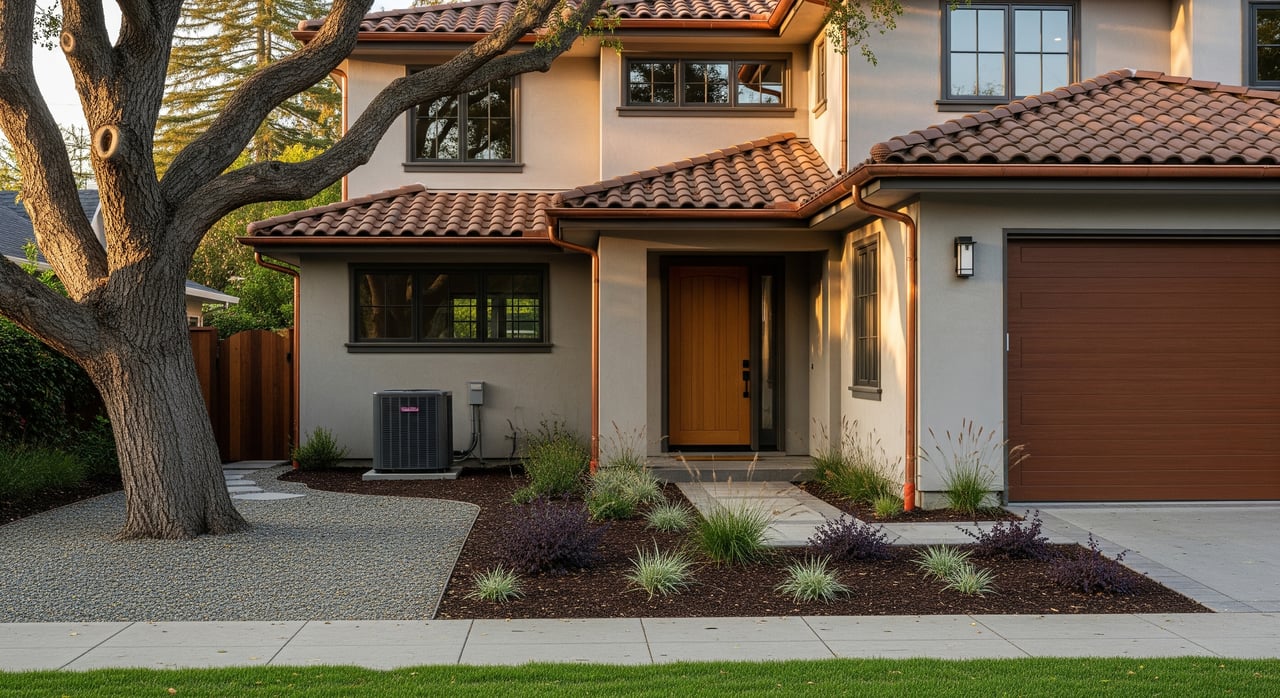
- Address visible deferred maintenance. Fix gutters, touch up peeling paint and ensure the roof looks cared for. Avoid façade changes that obscure defining features.
Showcase architectural details
- Clean and polish original woodwork, built‑ins, mantels and floors. Repair rather than replace where possible.
- Use vignettes to draw the eye. A reading chair by a bay window or a curated mantel display helps buyers notice period elements.
- If you must replace items, choose materials and profiles that match originals in appearance and scale, and document your decisions for buyers and appraisers.
Colors and furnishings
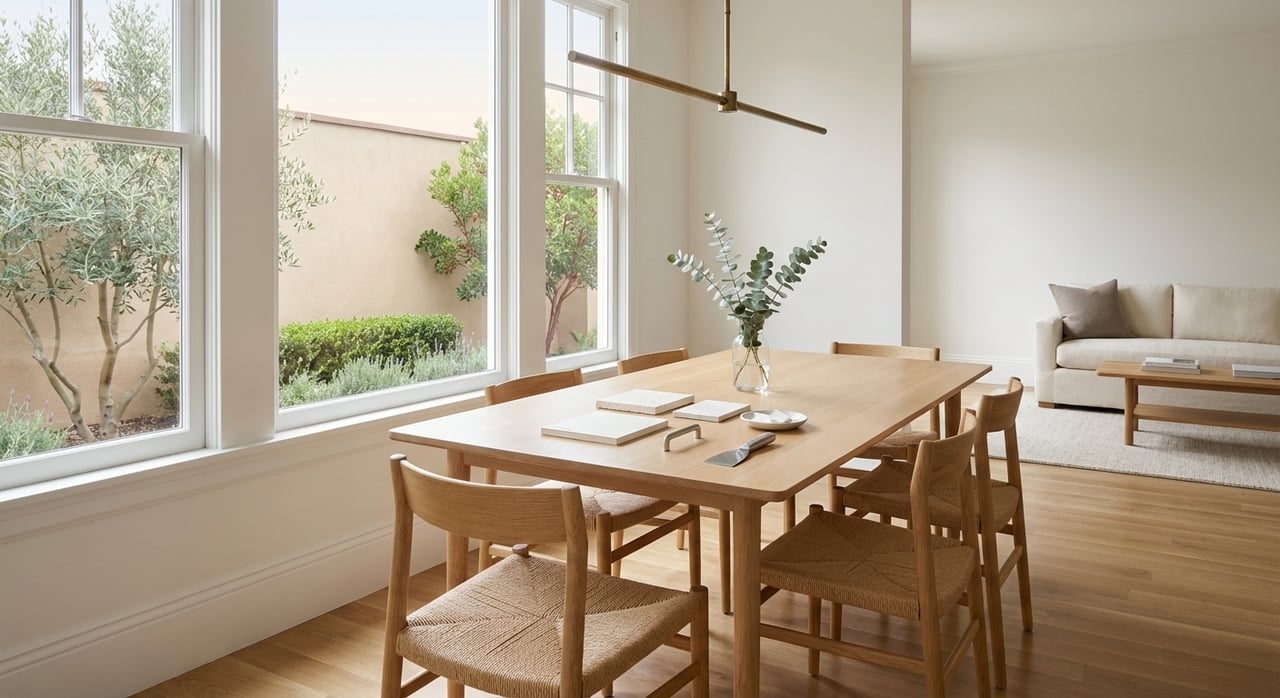
- Keep the palette neutral and warm so trim and millwork stand out. A historically sympathetic accent wall can add depth in select rooms.
- Right‑size furniture for narrower historic rooms. Mix modern comfort with a few period or reproduction pieces so the home feels inviting, not like a museum.
- Remove heavy drapery and clutter. Open sightlines, show clear room functions and make traffic flow obvious.
Kitchens and baths
- In kitchens, retain original built‑ins where you can, and use painted cabinetry with period‑appropriate hardware for a transitional look. Focus on durable finishes and quality appliances that blend in visually.
- In baths, update plumbing and lighting for safety and performance. Simple subway tile or small‑scale mosaics can read compatible without feeling dated.
- Upgrade HVAC, electrical and plumbing to modern code. Favor insulation strategies that minimize disturbance to historic fabric, and document all system updates for buyers.
Windows, doors and efficiency
- Repair original windows when feasible. Preserving sash, trim and hardware maintains character and can be cost‑effective over time. Add weatherstripping or storm windows to improve performance without full replacement.
- If replacement is necessary, match profiles and muntin patterns and confirm any review requirements before ordering.
Lighting and hardware
- Update to period‑appropriate fixtures with efficient bulbs and current wiring. Keep chandeliers and pendants scaled to each room.
- Restore original hardware where possible. If you need replacements, choose reproduction pieces that align with the home’s style.
Safety and accessibility
- For homes built before 1978, assume potential lead‑based paint and consider the possibility of asbestos in older materials. Use EPA RRP‑certified contractors for any disturbance and disclose known hazards.
- Ensure working smoke and carbon monoxide detectors, secure handrails and safe stairs. Sensitive accessibility improvements can broaden appeal.
Marketing that sells the story
High‑quality visuals are essential. Hire a photographer experienced with historic interiors and gardens. Capture architectural details, the porch at twilight, and the flow between rooms and garden.
Provide floor plans and a concise list of preserved features and recent upgrades. Buyers and appraisers value documented maintenance and sympathetic improvements. In your narrative, present the home’s heritage alongside practical updates, and highlight flexible spaces such as a home office or guest room to reflect current use cases.
Stage one room as a dedicated or hybrid workspace. Mention proximity to parks, transit and city amenities where relevant in your materials, keeping the focus on daily convenience rather than hype.
Pricing, appraisal and documentation
Appraisers consider both comparable sales and the quality of restoration. Original, well‑preserved features and compatible updates can add value, while non‑sympathetic alterations can detract. Provide a packet with permits, contractor invoices and photo documentation of restoration and system work. If the home has historic designation or potential Mills Act eligibility, include that context early, since it can influence value and taxes.
Timeline and checklist
Pre‑staging checklist
- Consult the City of Santa Clara Historic Preservation Officer to confirm needed permits and reviews.
- Schedule a safety and systems audit with licensed electricians, plumbers and HVAC pros.
- If the home predates 1978, arrange lead and asbestos assessments and plan any required containment or abatement.
- Tackle visible deferred maintenance such as roof, gutters, drainage and foundation items.
- Prioritize preservation repairs, including windows, trim and floors, favoring repair over replacement.
- Scope kitchen and bath updates to be sympathetic and secure permits.
- Finish with cosmetic staging and landscaping, then book professional photos and finalize listing collateral.
Day‑of‑showing checklist
- Clean all surfaces, open curtains and maximize natural light.
- Polish woodwork and hardware, set simple lifestyle vignettes and remove personal photos.
- Tidy the garden and entry, place fresh flowers, set a comfortable thermostat and ensure clear parking guidance.
Typical timing
- Cosmetic staging and landscaping: 1 to 3 weeks.
- Mechanical and safety upgrades: 2 to 8 weeks, depending on scope.
- Historic repairs and permitted work: 4 to 12 plus weeks. Build in extra time for review and specialized trades.
Common tradeoffs and how to decide
A full modern remodel can maximize function but risks reducing historic integrity and turning off buyers who want authenticity. Too little modernization can lead buyers to discount for deferred systems or safety issues. Aim for a balanced plan that keeps character‑defining elements visible while improving comfort, safety and efficiency. Be transparent in your listing about what is original, what was repaired and what was replaced, and share permits and documentation to build confidence.
Ready to list with confidence?
If you want a premium outcome without compromising your home’s heritage, work with a local advisor who treats preservation as an asset. With 20 plus years of design‑sensitive pre‑sale strategy and a national marketing platform, Gea Carr can help you plan, stage and position your Rose Garden home for top dollar. Schedule a Free Consultation to get a tailored plan and timeline.
FAQs
What makes Rose Garden historic homes sell for a premium?
- Buyers pay more when they see authentic period details alongside clear maintenance, tasteful kitchen and bath updates, reliable systems and strong curb appeal.
Do I need permits to replace windows in a historic home in Santa Clara?
- Exterior changes and window replacement typically require permits, and designated properties may need historic review. Confirm requirements with the city before starting.
How should I handle lead paint before listing an older home?
- Assume potential lead in pre‑1978 homes and use EPA RRP‑certified contractors for disturbance or containment, then disclose known hazards and completed work to buyers.
Is it better to repair or replace original windows for energy efficiency?
- Repair is often preferred to retain character, combined with weatherstripping or storm windows. If replacement is necessary, match original profiles and consult on approvals.
How long does preservation‑minded prep take before listing?
- Plan 1 to 3 weeks for cosmetic work, 2 to 8 weeks for systems upgrades and 4 to 12 plus weeks for historic repairs and permitted projects, depending on scope.